
The evolution of gambling a historical perspective on its roots and transformations
The Ancient Beginnings of Gambling
The origins of gambling can be traced back to ancient civilizations, where it was intertwined with cultural practices and social rituals. Evidence from archaeological sites shows that dice made from bone and other materials were used in games of chance as early as 3000 BC in Mesopotamia. These early forms of gambling often involved betting on the outcomes of events, which laid the groundwork for modern gaming concepts. If you’re interested in finding the best casino online canada, you might discover some unique gaming options.

In ancient China, gambling was documented as part of a social pastime, with games like Keno emerging around 200 BC. The Chinese also invented dominoes and other games that incorporated elements of chance, showcasing an early understanding of risk and reward. Such games gradually spread across Asia, influencing the development of gambling practices in various cultures.
The Middle Ages and the Rise of Gaming Houses
The Middle Ages marked a significant transformation in the gambling landscape, particularly in Europe. As society shifted towards more structured forms of governance, gaming houses became prevalent. In these establishments, players could engage in a variety of games, including card games and dice games. The establishment of these venues not only formalized gambling but also began the trend of regulation.
During this period, many countries implemented laws governing gambling activities. The Church played a significant role, often condemning gambling as immoral, yet it continued to thrive underground. The tension between regulation and public interest in gaming led to the development of lotteries, which were seen as acceptable forms of gambling that could raise funds for public causes.
The Birth of Modern Gambling in the 18th and 19th Centuries
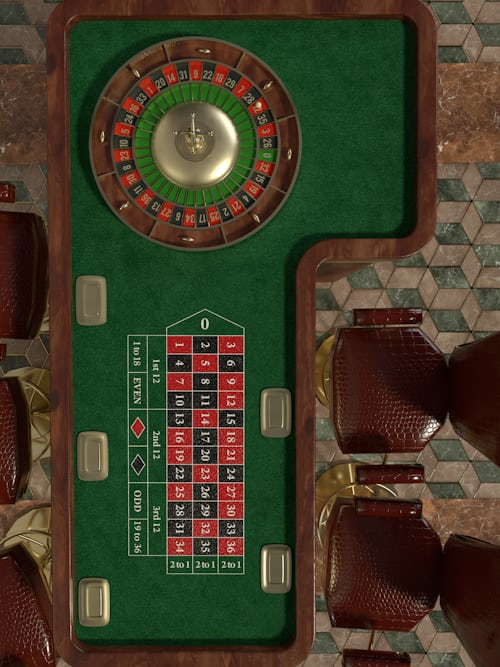
The 18th century heralded a new era for gambling with the establishment of formalized casinos, particularly in Europe. The first official casino, the Casino di Venezia, opened in Italy, setting a precedent for sophisticated gaming environments. This period also saw the birth of popular games such as baccarat and roulette, which became staples in casinos worldwide.
As the 19th century unfolded, gambling expanded across the Atlantic, especially in the United States. The Gold Rush attracted fortune-seekers, leading to the rise of gambling hubs like San Francisco. The emergence of poker and the establishment of state lotteries further diversified the gambling landscape, making it accessible to a broader audience.
The Digital Revolution and Online Gambling
The advent of the internet in the late 20th century revolutionized gambling once again. Online casinos emerged, providing players with the convenience of accessing games from the comfort of their homes. This shift democratized gambling, allowing players from diverse backgrounds to participate in various games, regardless of geographical constraints.
Moreover, advancements in technology have enhanced the gambling experience through the introduction of live dealer games and mobile applications. The development of cryptocurrencies has also added a new layer of anonymity and security, making online gambling more appealing. This digital transformation continues to shape the future of gambling, with innovations constantly emerging.
Insights into Online Casino Choices
For those exploring the world of online gambling, understanding your options is crucial. Comprehensive reviews of online casinos evaluate essential factors such as safety, game variety, and bonus offers. This information enables players to make informed decisions, ensuring a secure and enjoyable experience.
By focusing on user experiences and industry standards, dedicated platforms help players find reputable casinos tailored to their preferences. Whether you seek thrilling games or attractive promotions, the right resources will guide you to an engaging online gambling experience that suits your individual needs.